Money in Islam
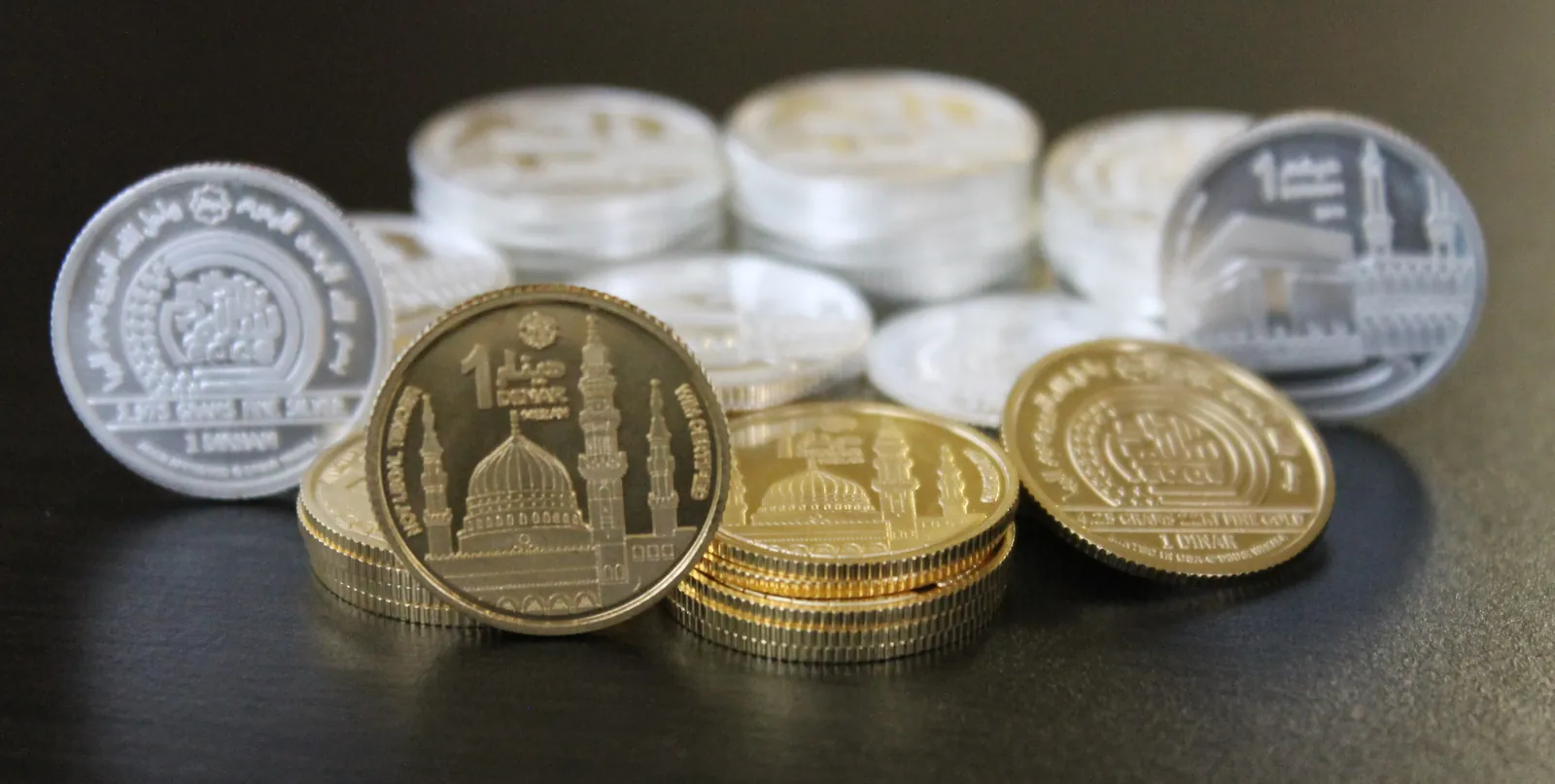
Real Money
Throughout history, gold and silver have always been the most durable and trusted form of money, across time, across civilizations.
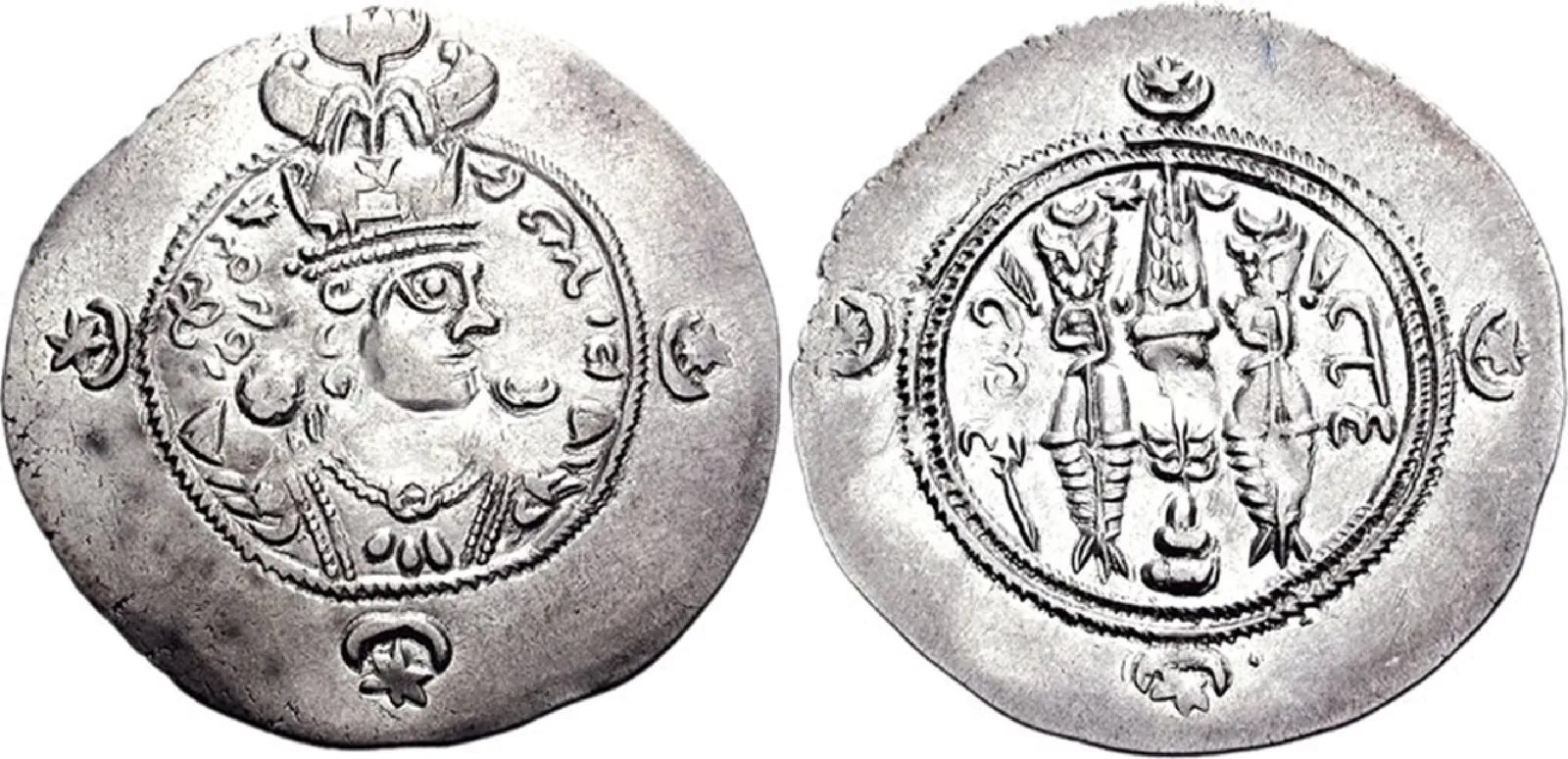
Persian silver
These were the coins of the Prophet's ﷺ Mecca: Sasanian silver and Byzantine gold, brought home by Quraysh caravans and accepted by weight, not by the king on their face.
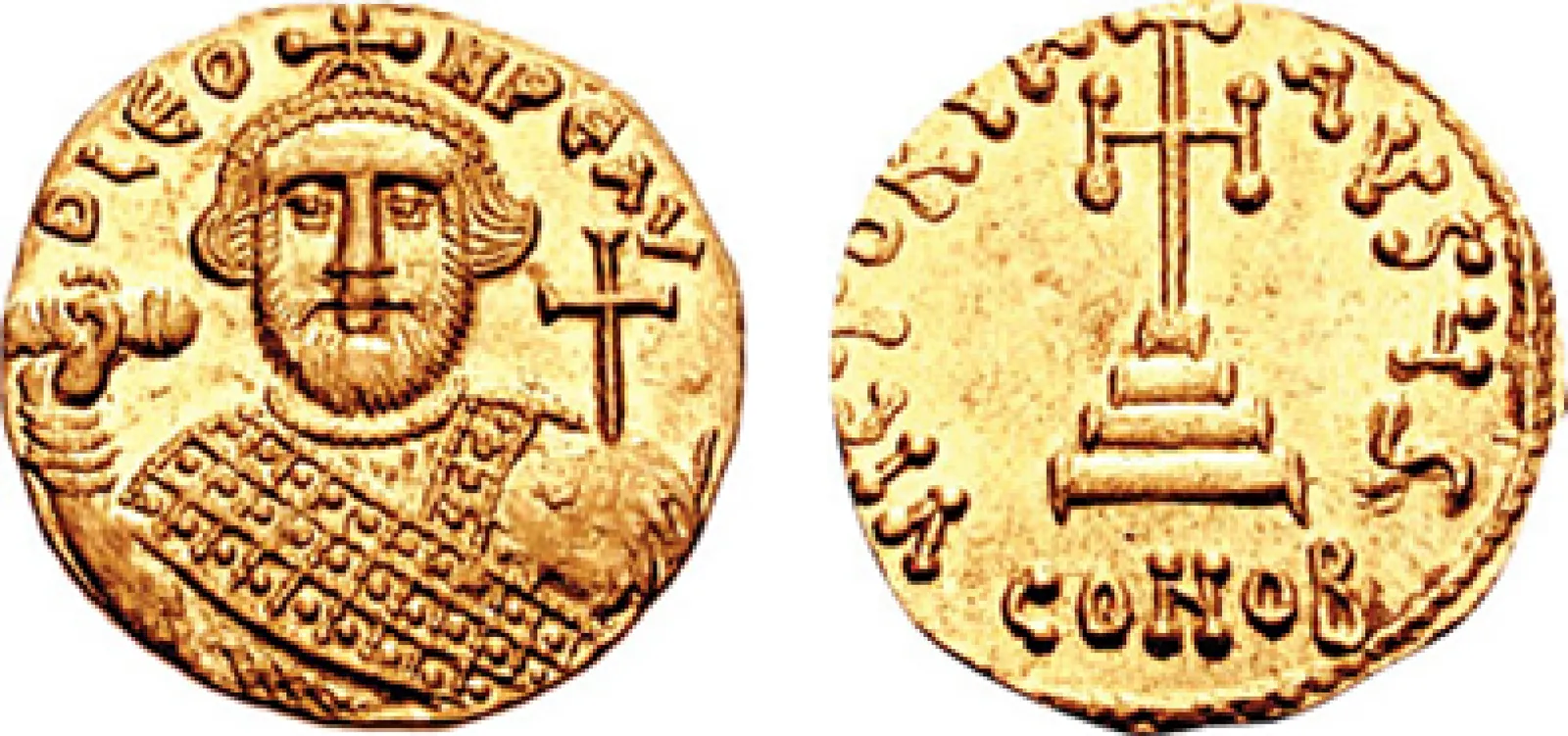
Byzantine gold
The solidus was the gold coin of the Byzantine Empire, introduced by Constantine in the fourth century and struck at 72 to the Roman pound, about 4.5 grams. For some seven hundred years its weight barely moved, and merchants from the Mediterranean to India trusted it for exactly that. Quraysh brought it home from the markets of Syria, and in Arabic it took the name of the old Roman denarius: the dinar.
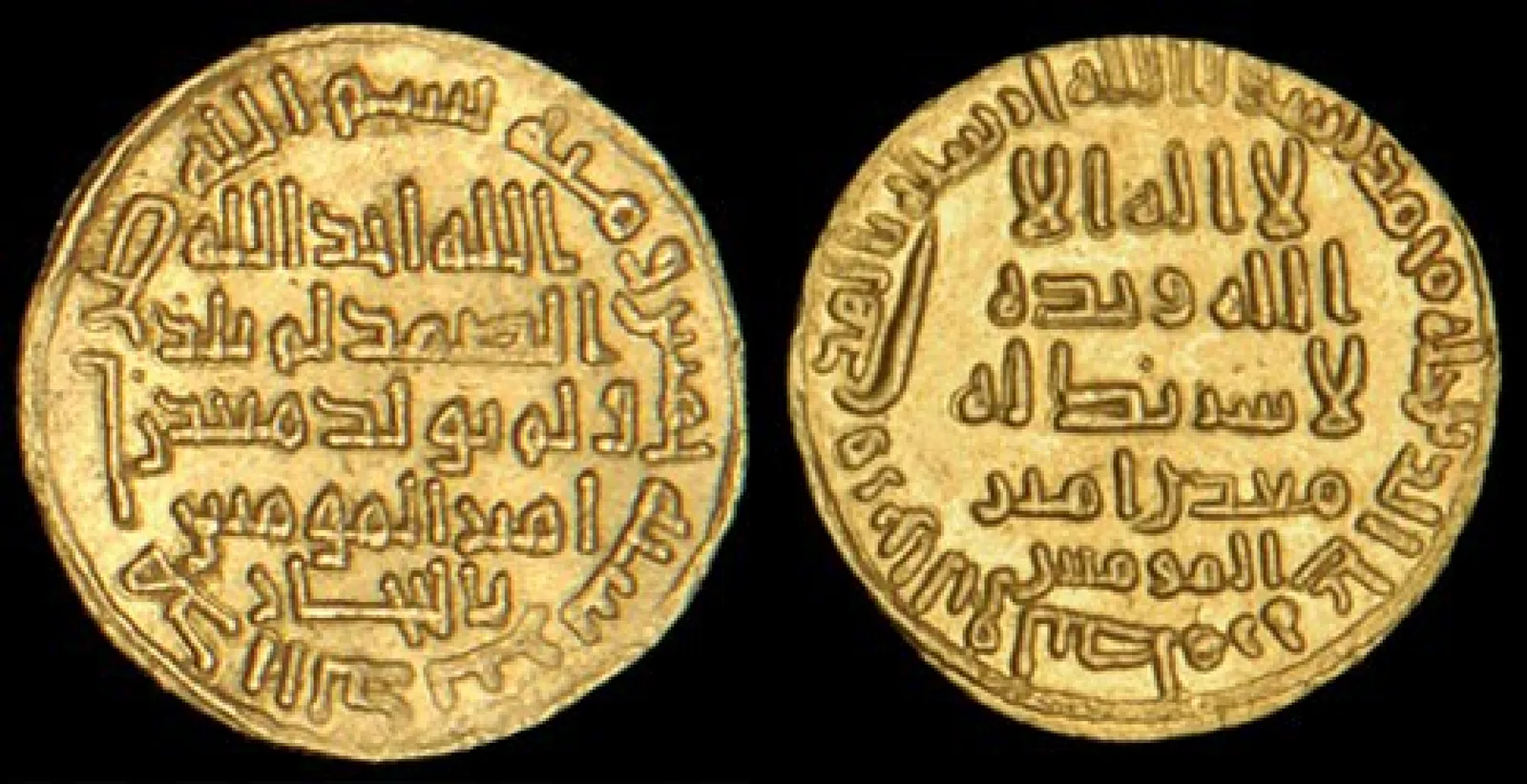
The reform of 77 AH
When 'Abd al-Malik struck the first Islamic dinar, he kept it close to the same weight, fixing it at one mithqal of 4.25 grams. Under 'Abd al-Malik, the Muslim world minted its very first coins, with the Shahadah on its face, and a fixed weight of gold.
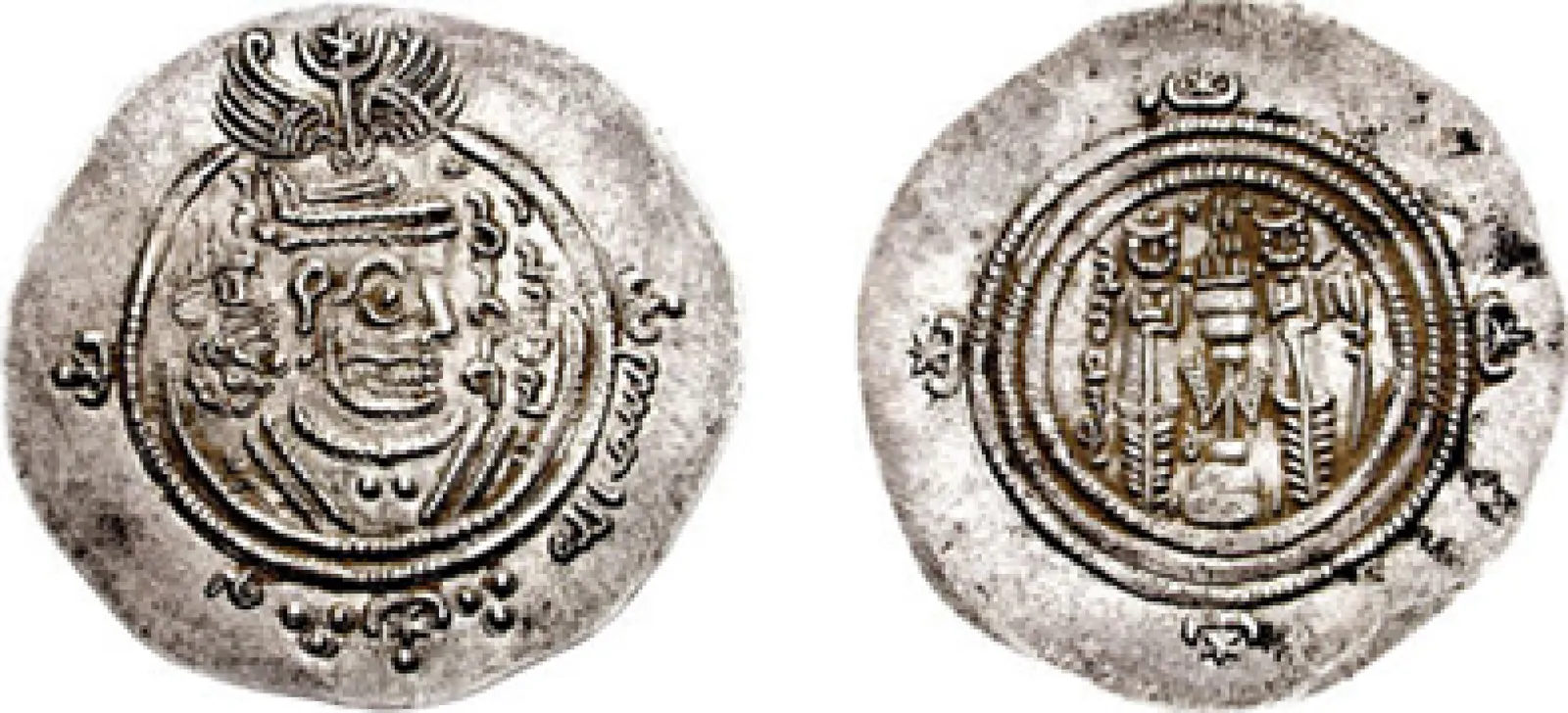
Bismillah on a Persian coin
A sample of the Caliphate's adoption of the Sassanid coin, leaving the face of Yazdgird but adding Bismillah in the corner.
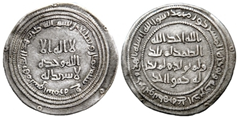
An Umayyad dirham
This is the Islamic Dirham, its name deriving from the Persian Drachma. The start of a centuries long regime of sound money in the Middle East.
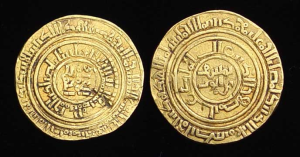
Fatimid Dinar
Defined by its iconic "bull's-eye" pattern of circular bands, the Fatimid Dynasty coin of around the 10th to 11th century.
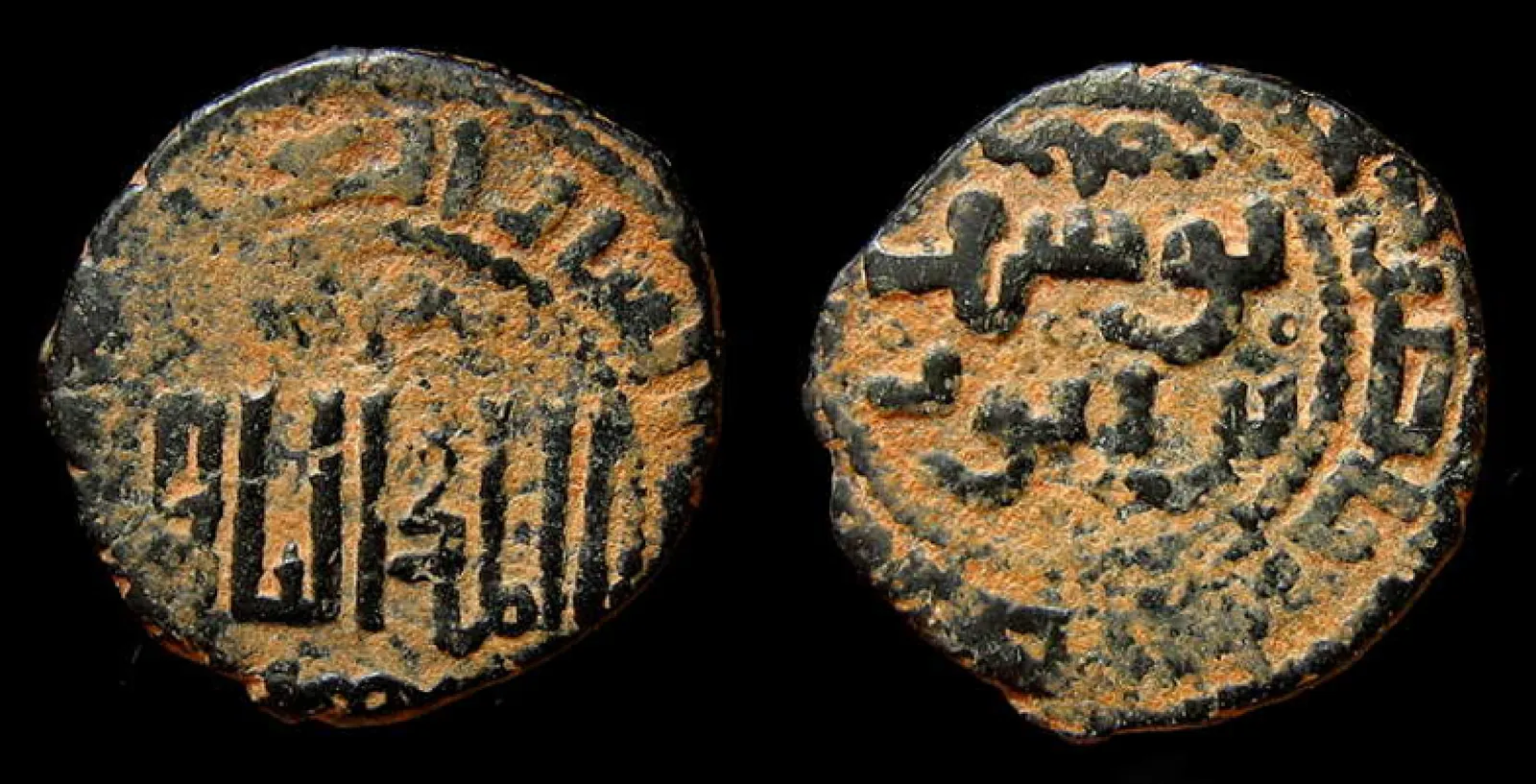
The copper fals
Alongside gold and silver ran the fals, small change in copper for the everyday trade that a dinar or a dirham was too valuable for.
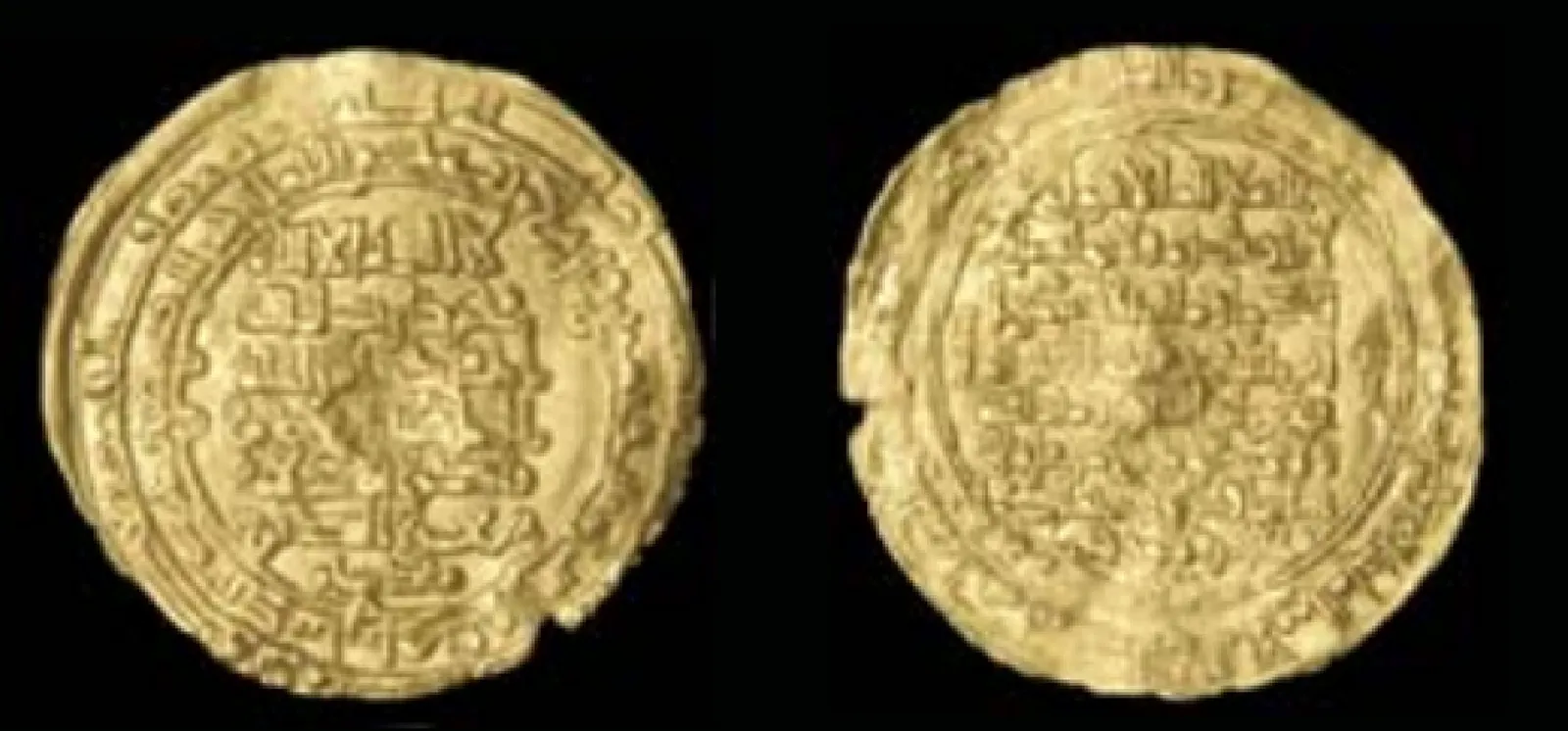
Ayyubid Dinar
Founded by Saladin in 1174 CE, the Ayyubid dynasty minted coins featuring a central block of linear Arabic text and concentric circular borders.
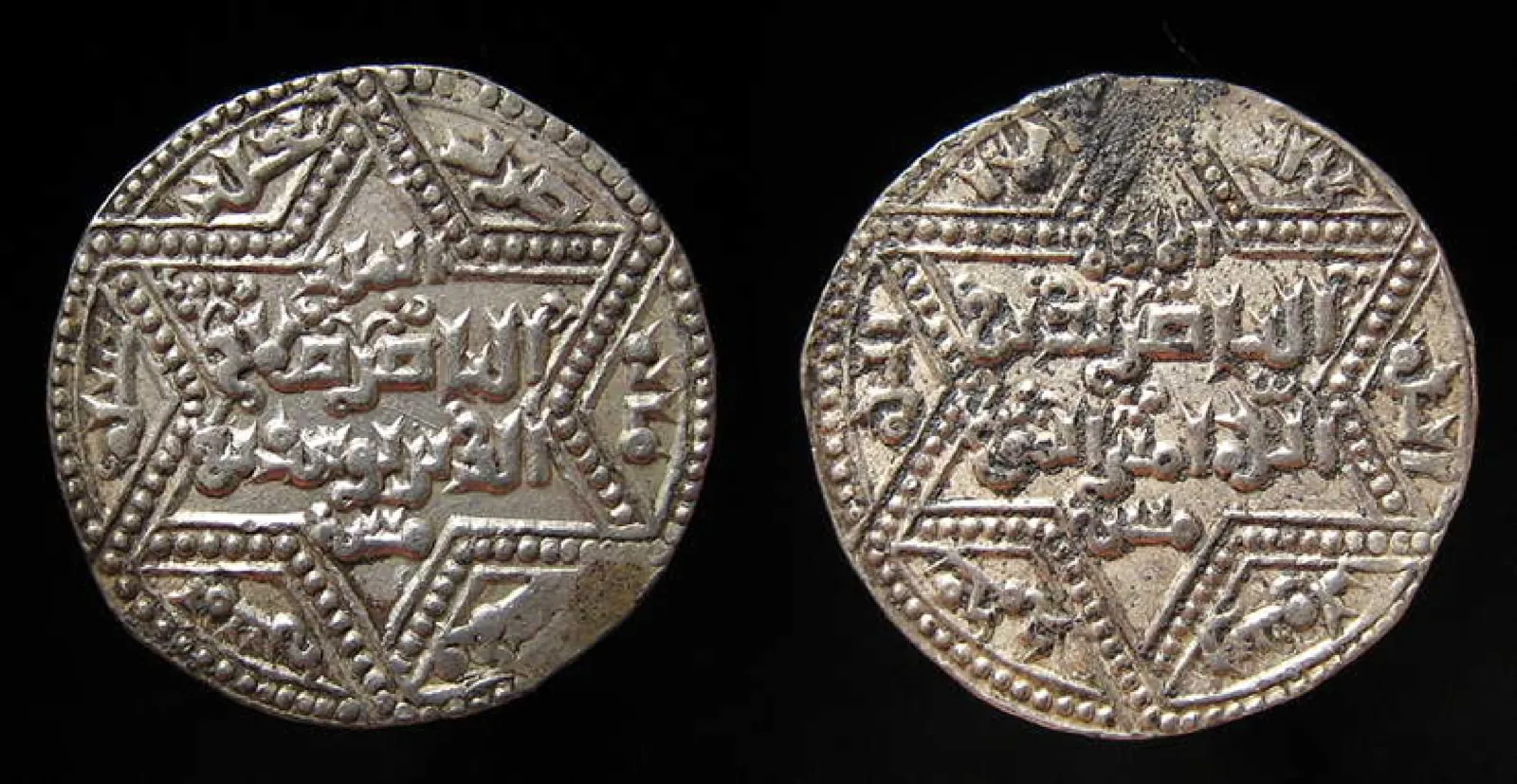
Silver in a star
The silver dirham minted in the time of Saladin, with the inscription "Al-Malik al-Nasir Salahuddin Yousaf bin Ayyub", "The Victorious King, Saladin, Son of Ayyub".
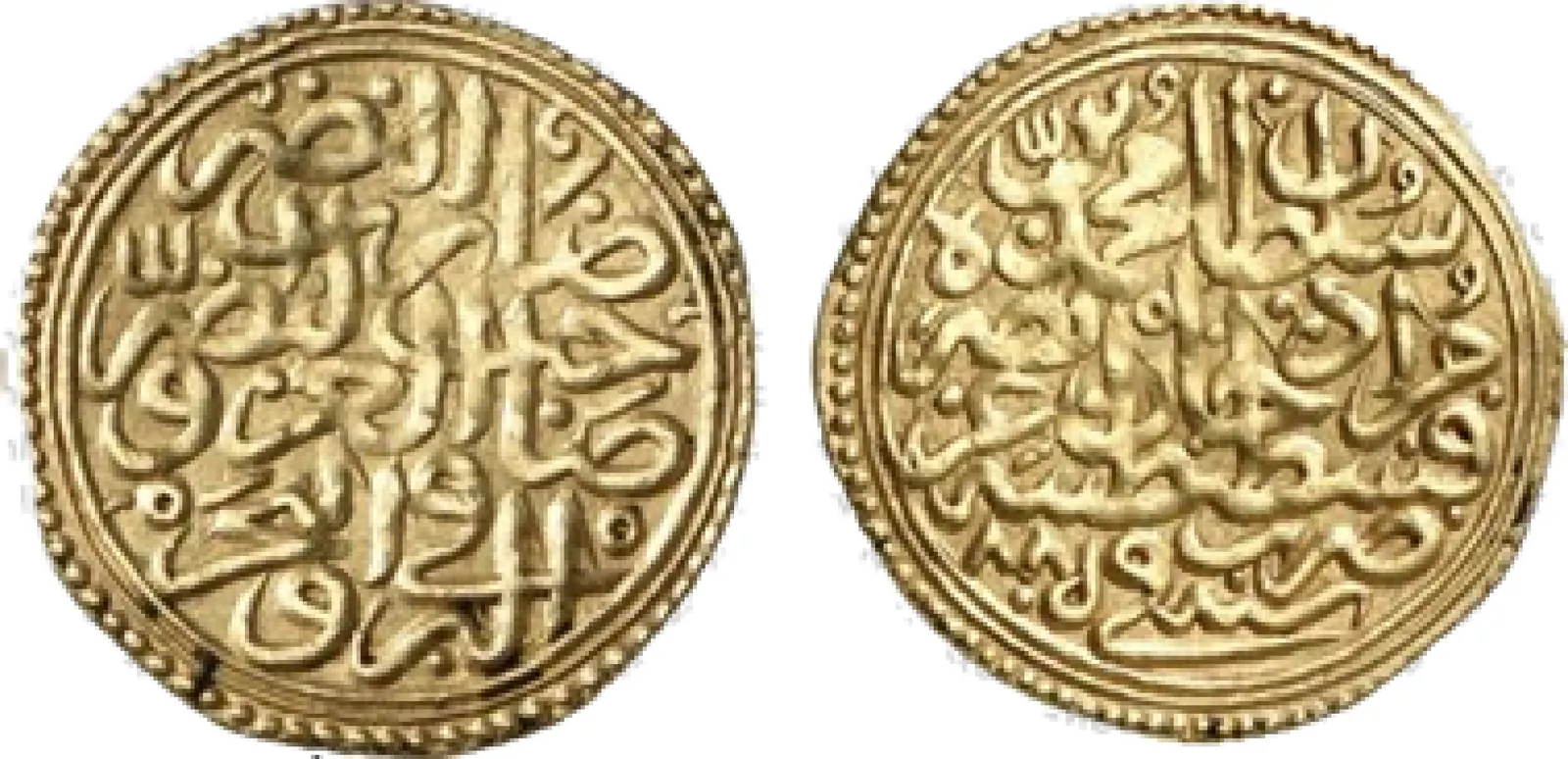
Ottoman Sultani
This is an Ottoman Gold Sultani issued under Suleiman the Magnificent dated 1520 CE, and struck in Egypt, with the inscription: "Sultan Suleiman, son of Sultan Selim Khan, may his victory be glorious."
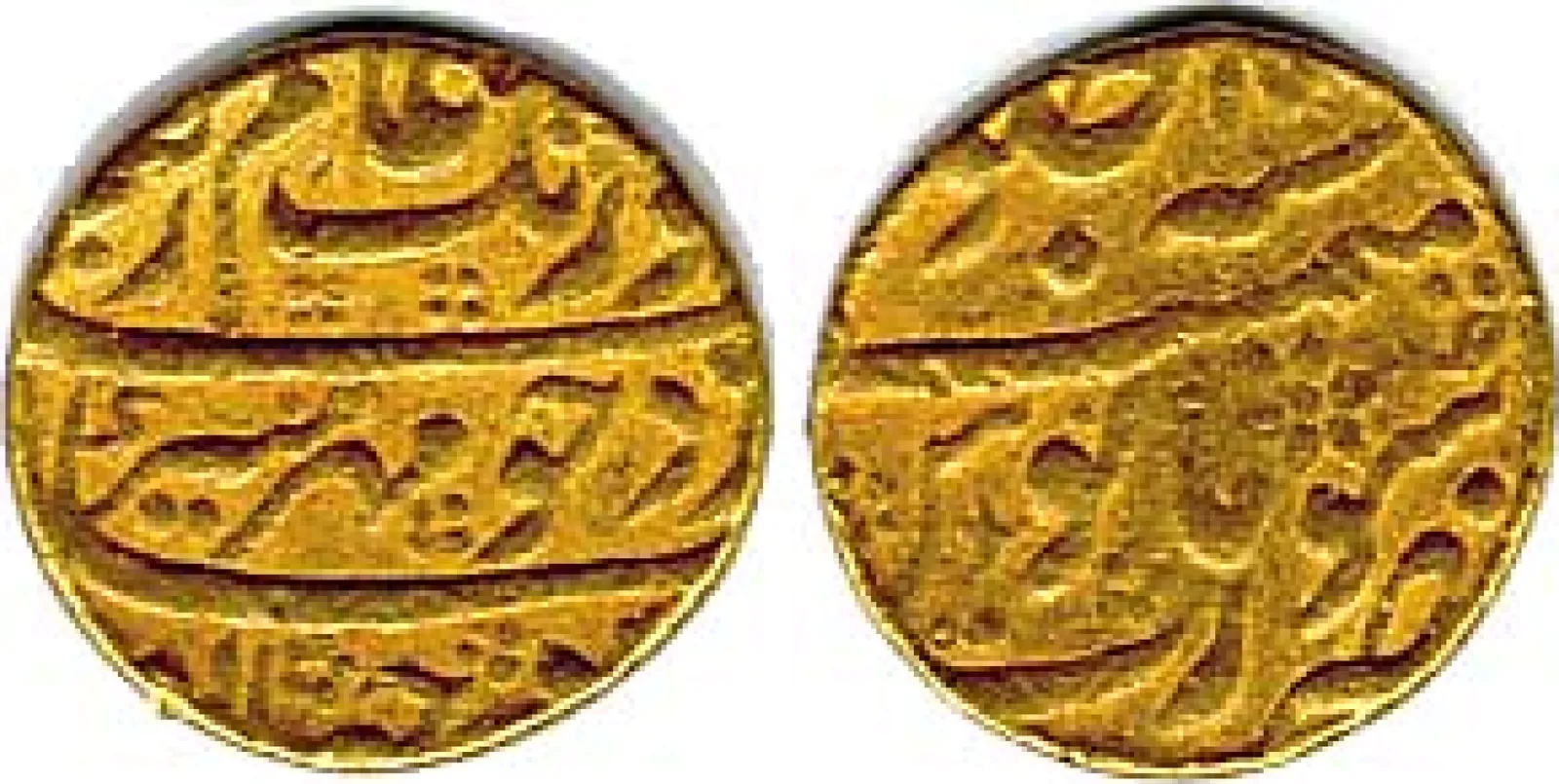
The gold mohur
On the subcontinent the Mughals struck the gold mohur, its legend in flowing Persian script, carrying the same idea: money is a weight of metal.
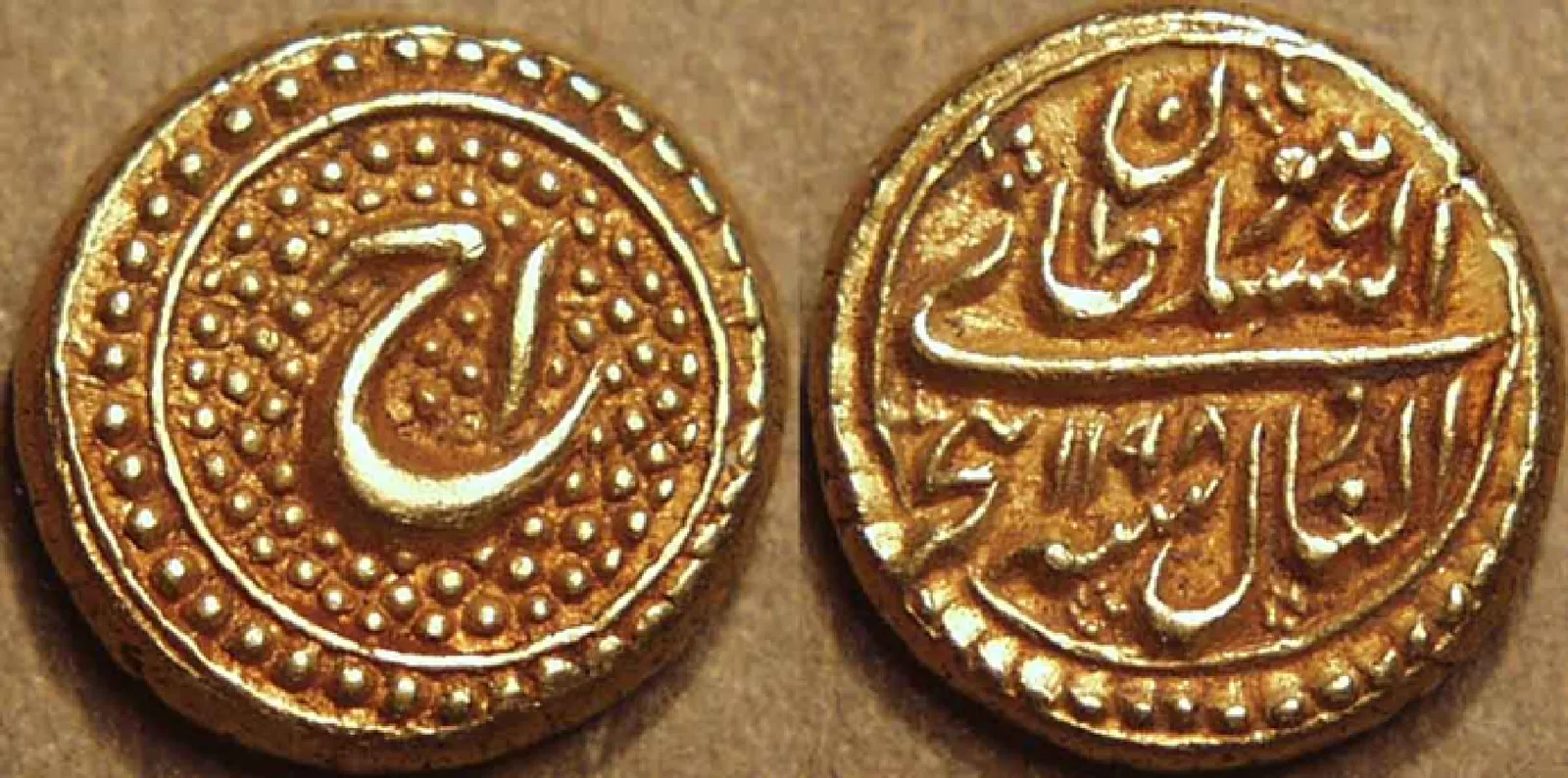
Mysore Gold
This is a Gold Fanam from the Kingdom of Mysore (Southern India), issued under either Haidar Ali or his son Tipu Sultan, circa 1782 CE.
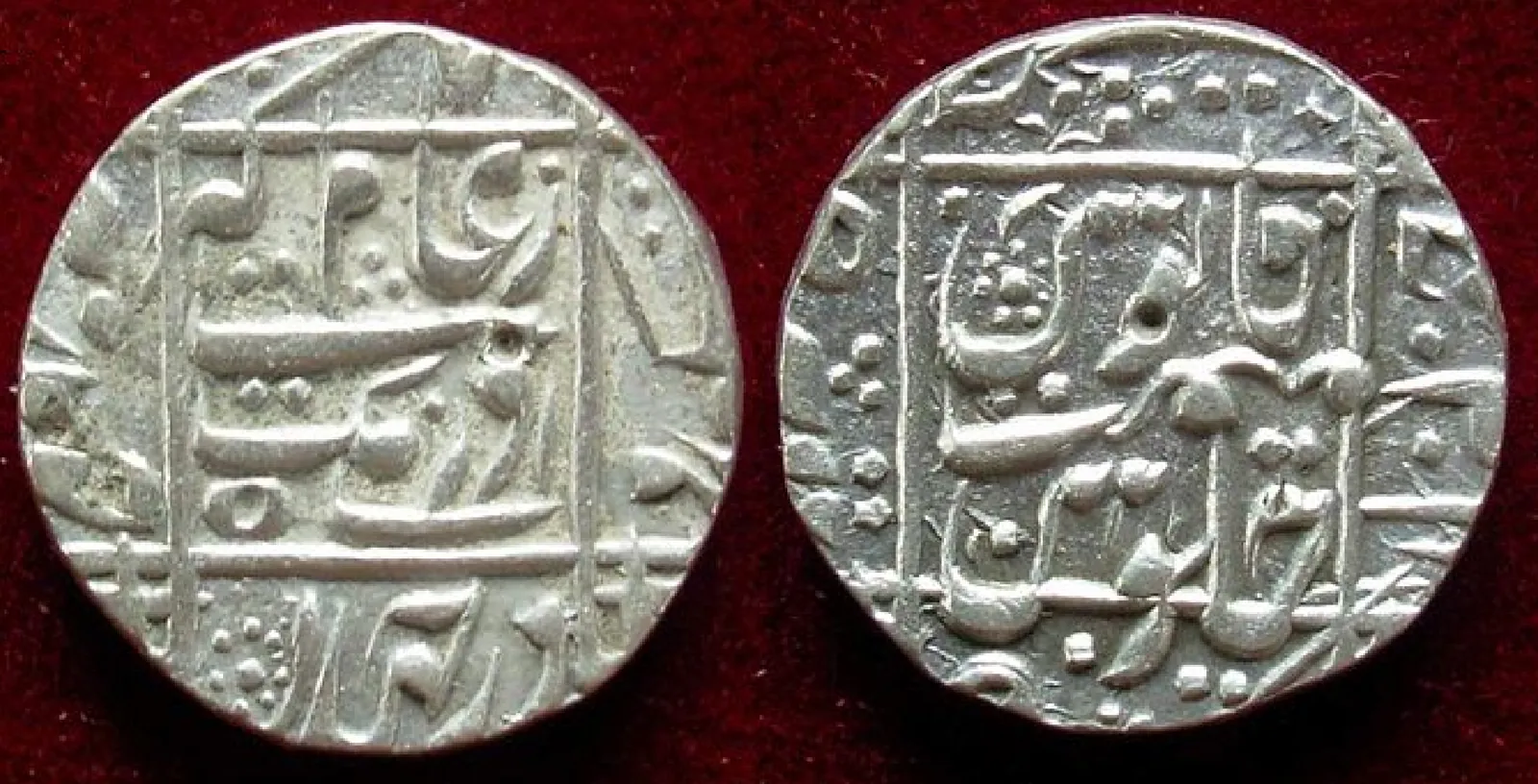
The silver rupee
The rupee began as a coin of pure silver. The name survives on Pakistan's banknotes today; the silver does not.
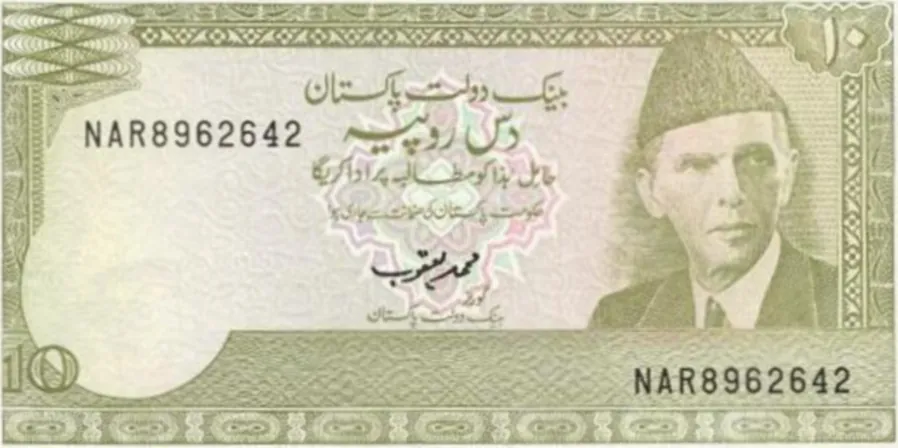
From Silver to Paper
The modern paper currency symbolizes the degradation of our money: a currency whose value is enforced by guns and government, rather than its own intrinsic value like gold and silver. Let's undertand how we got from gold to paper.